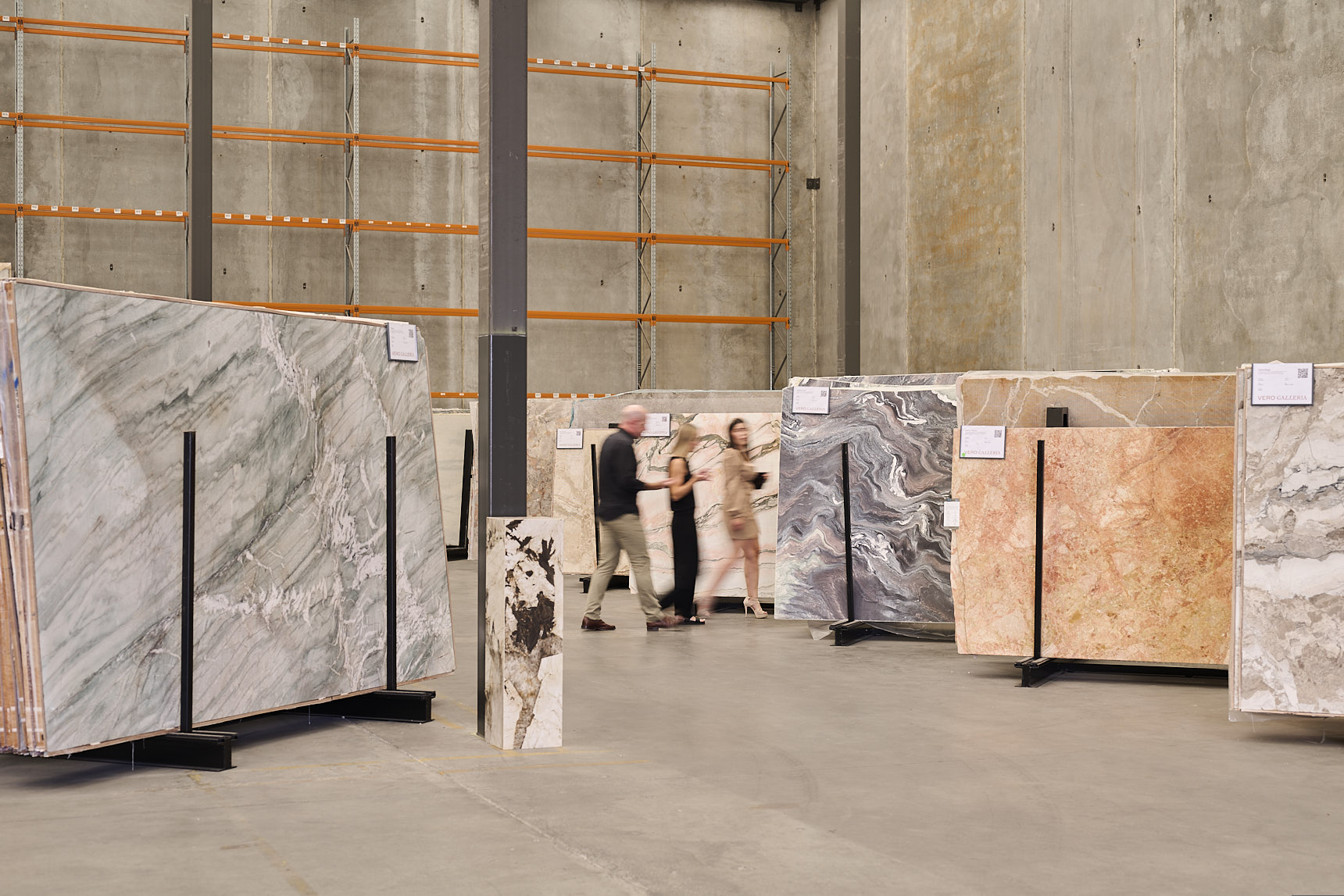
Different types of Natural Stone – a guide.
All natural stone is unique, beautiful, and one of a kind. However, different types of stone offer different qualities, and these should be carefully considered when selecting what is best suited to your project.
Firstly, it’s worth addressing a common misconception around marble. Many customers say they want to avoid marble because they believe it is too soft, too fragile, or not durable enough. In reality, all natural stone requires a level of care. If you are not prepared to maintain your surfaces, there are man-made alternatives that may be more suitable.
By ruling out marble entirely, you may be overlooking some of the most timeless and visually striking materials available. With the right approach and proper care, marble can be a viable option for almost any application.
It is true that marble will develop wear over time, forming a natural patina that many consider part of its charm and character. With prompt attention to spills and regular sealing and maintenance, marble can retain its beauty and perform well long after installation.

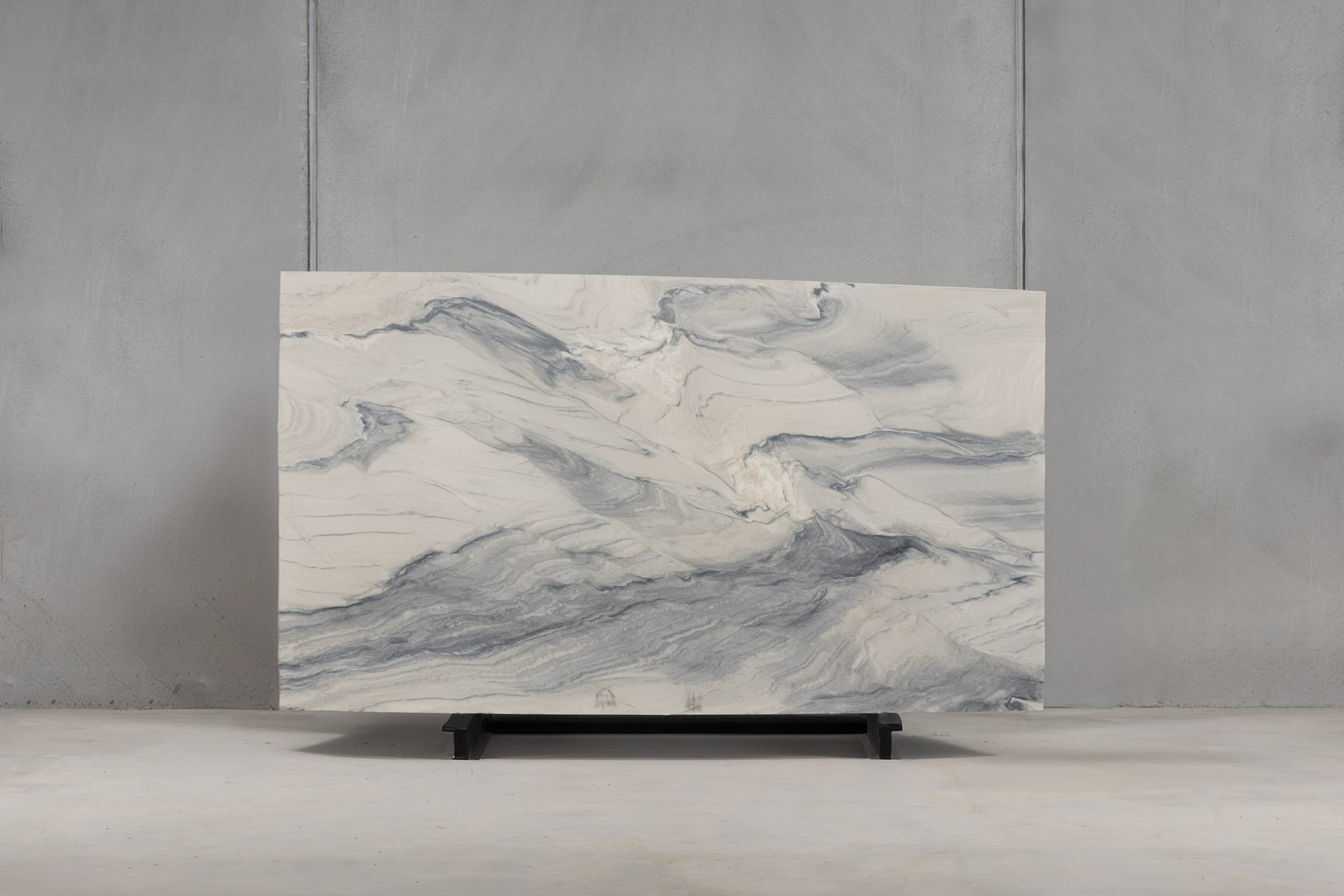
Quartzite – The stone for all occassions.
Quartzite is a natural metamorphic stone formed when sandstone is subjected to intense heat and pressure, causing the quartz grains to fuse together. This process creates a dense and durable material with a crystalline appearance, often resembling marble but with greater strength. Quartzite is valued for its combination of strength and natural beauty, making it suitable for kitchen benchtops, high-traffic areas, and applications where durability and aesthetics are equally important.
In terms of hardness, quartzite is very hard, making it significantly more resistant to scratching than marble or limestone.
Durability: *****
Hardness Scale: 7 Mohs
Price: $$$- $$$$
Where?: Kitchen benchtops, splashbacks, vanities, wall cladding, feature walls.
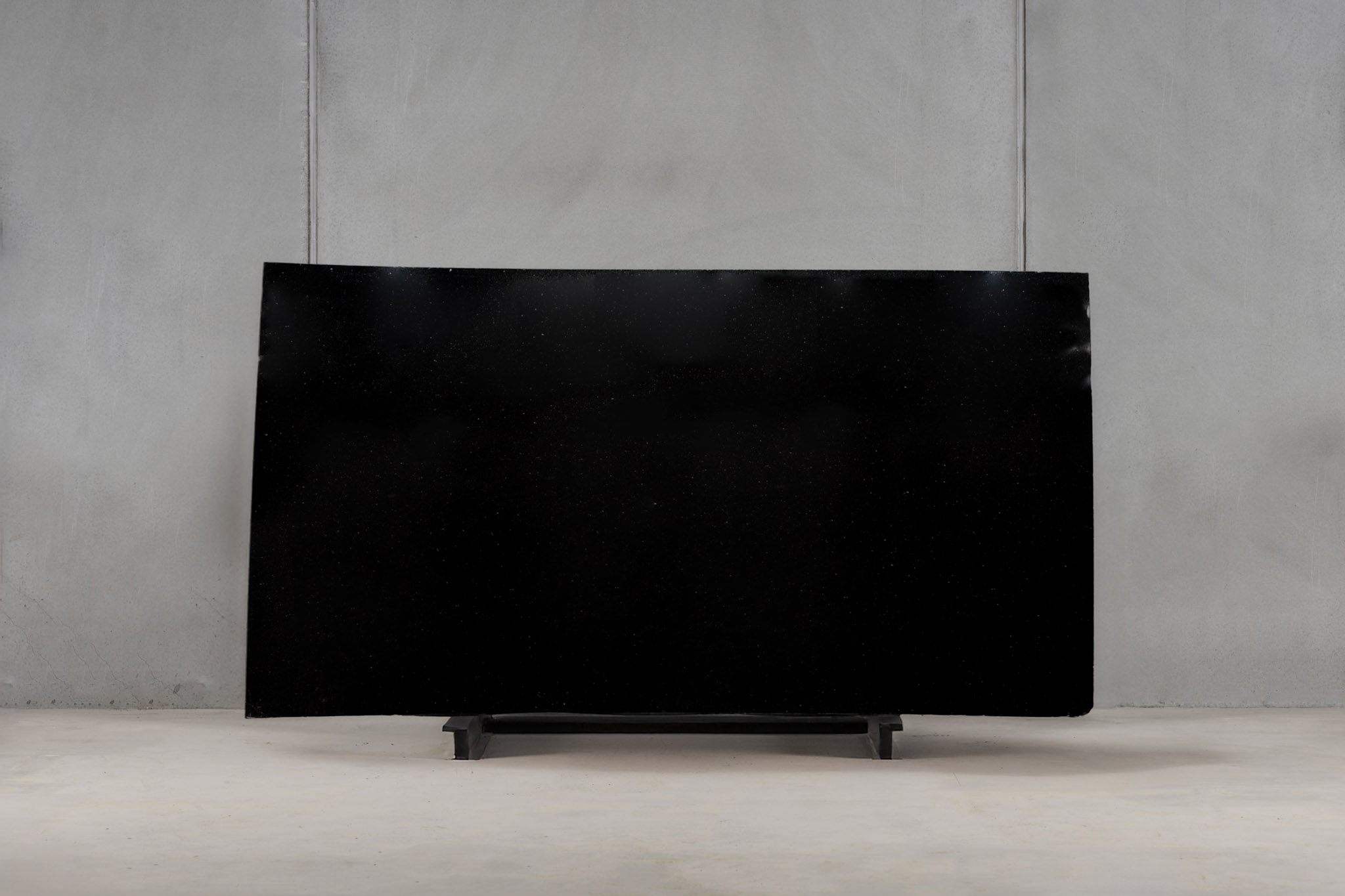
Granite – The all rounder.
Granite is a natural igneous stone formed from the slow crystallisation of molten magma beneath the earth’s surface. This process creates a dense, interlocking structure of minerals such as quartz, feldspar, and mica. Granite is known for its durability and practicality, making it a long-standing choice for kitchen benchtops, outdoor areas, and high-use surfaces where strength and longevity are key.
In terms of hardness, granite is very hard, making it highly resistant to scratching and everyday wear.
Durability: *****
Hardness Scale: 6-7 Mohs
Price: $ – $$
Where?: Kitchen benchtops, splashbacks, outdoor kitchens, BBQ area, vanities, flooring.

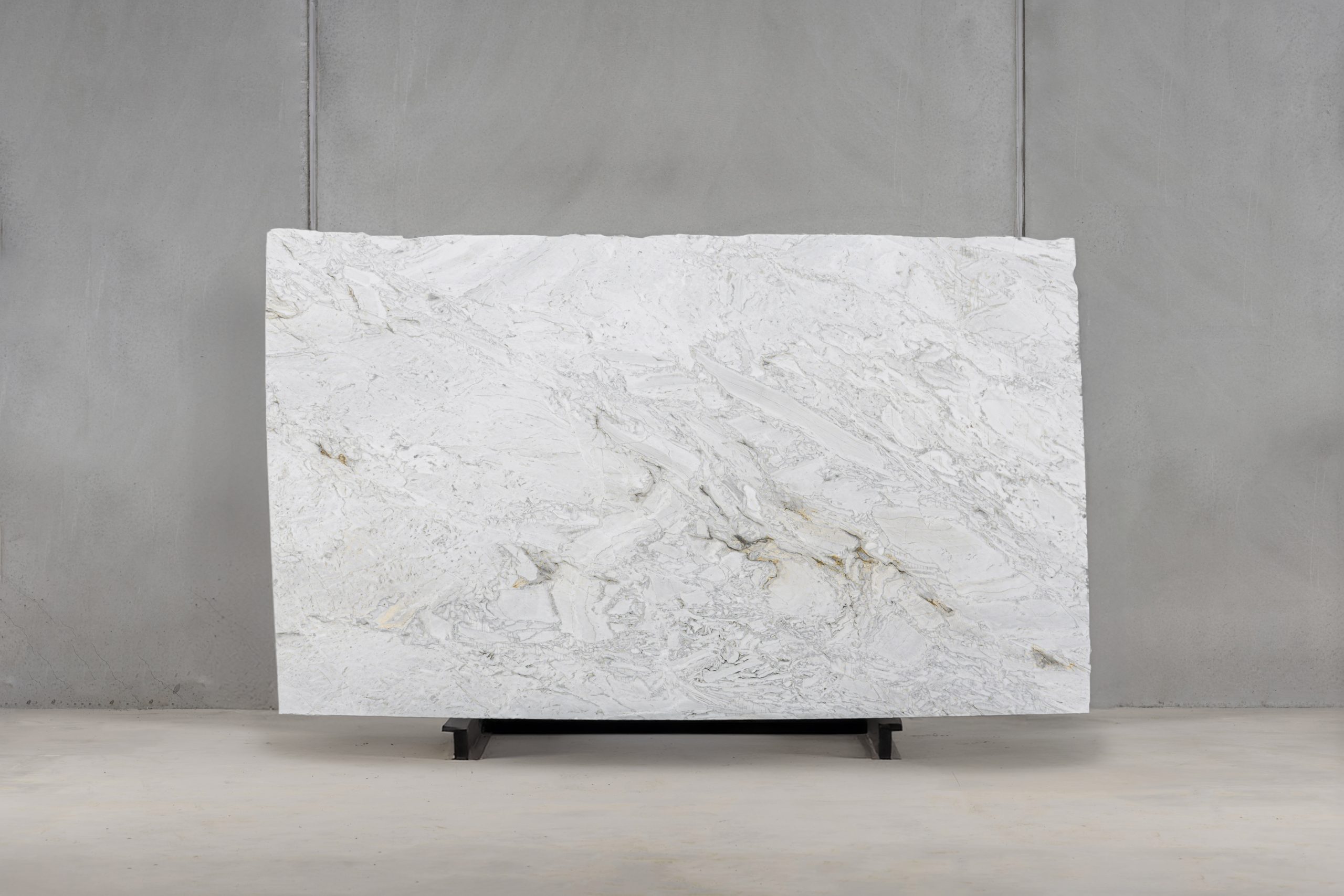
Dolomite – The perfect compromise.
Dolomite is a natural stone that sits between limestone and marble in its formation. It originates as limestone but undergoes partial metamorphism, resulting in a composition that includes both calcite and dolomite minerals. Dolomite is appreciated for its soft, marble-like appearance with improved durability, making it a popular option for those seeking a balance between elegance and practicality, particularly in kitchens and bathrooms.
In terms of hardness, dolomite is moderately hard, making it slightly more durable than marble but still softer than granite or quartzite.
Durability: ****
Hardness Scale: 4 Mohs
Price: $$$
Where?: Kitchen benchtops, splashbacks, vanities, wall cladding, feature walls.

Marble – the hero of any space.
Marble is a natural metamorphic stone formed when limestone is subjected to high heat and pressure within the earth. This process recrystallises the original calcite, giving marble its characteristic veining, softness of appearance, and ability to take a high polish. Marble is valued for its timeless elegance and natural variation, making it a popular choice for bathrooms, feature surfaces, and architectural elements where aesthetics are prioritised over heavy wear resistance.
In terms of hardness, marble is relatively soft compared to other natural stones. This makes it more susceptible to scratching and etching, particularly from acidic substances, which is an important consideration for applications like kitchen benchtops. With correct care and maintenance Marble can be the hero of your project.
Durability: ***
Hardness Scale: 3-4 Mohs
Price: $$$- $$$$$
Where?: Vanities, Feature walls, fireplaces, kitchen benches and splashbacks with correct care.

Limestone – raw beauty.
Limestone is a natural sedimentary stone formed from compressed marine organisms such as shells and coral over millions of years. Its composition is primarily calcium carbonate, giving it a soft, organic appearance. Limestone is valued for its subtle, earthy tones and uniform texture, making it ideal for interior flooring, walling, and applications where a warm, natural aesthetic is desired rather than high durability.
In terms of hardness, limestone is relatively soft, making it more prone to scratching and etching.
Durability: **
Hardness Scale: 2-3 Mohs
Price: $$
Where?: Indoor flooring, walling, fireplaces, bathrooms.
Travertine – natural, rustic charm.
Travertine is a type of limestone formed by mineral deposits from natural springs, particularly hot springs. It is characterised by its porous structure, often featuring small holes and voids created during formation. Travertine is appreciated for its textured, rustic appearance and warm colour palette, commonly used in flooring, outdoor paving, and feature walls where a natural, Mediterranean aesthetic is desired.
In terms of hardness, travertine is relatively soft, similar to limestone.
Durability: **
Hardness Scale: 2 Mohs
Price: $ – $$
Where?: Indoor flooring, walling, outdoor flooring, pool surrounds, bathrooms.

VERO Galleria has over 75 different materials on site. Our goal is to provide you with all the information you need to turn your project into reality. You are welcome to come by the gallery and we will be more than happy to guide you through.
To view our current selection or enquire about availability, visit our gallery or get in touch.